
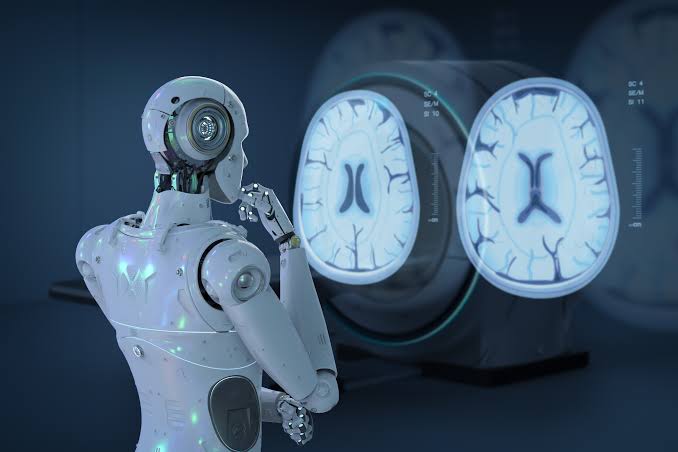
Artificial Intelligence (AI) is revolutionizing the field of radiology by enhancing the accuracy, efficiency, and speed of medical imaging services. As healthcare systems continue to embrace digital transformation, AI has emerged as a powerful tool that supports radiologists, radiographers, and healthcare professionals in interpreting complex medical images, improving clinical decision-making, and delivering high-quality patient care. Rather than replacing healthcare professionals, AI serves as an intelligent assistant that streamlines workflows, reduces diagnostic errors, and enables faster detection of diseases. Its integration into radiology is reshaping the future of medical imaging and establishing new standards for precision medicine.
Radiology generates vast amounts of imaging data every day through X-rays, Computed Tomography (CT), Magnetic Resonance Imaging (MRI), Ultrasound, and other advanced imaging modalities. Interpreting these images requires significant expertise, concentration, and time. AI-powered algorithms, particularly those based on machine learning and deep learning, can rapidly analyze medical images, identify patterns, and detect abnormalities that may be difficult to recognize during routine examinations. These systems assist radiologists by highlighting suspicious findings, measuring lesions, and prioritizing urgent cases, allowing healthcare professionals to focus on complex clinical decisions and patient management.
One of the most significant benefits of AI in radiology is improved diagnostic accuracy. AI applications have demonstrated excellent performance in detecting conditions such as lung nodules, breast cancer, fractures, stroke, pneumonia, and cardiovascular diseases. By providing a second level of image analysis, AI helps reduce human error, minimizes missed diagnoses, and supports earlier disease detection. Early diagnosis often leads to more effective treatment, improved patient outcomes, and reduced healthcare costs.
Artificial Intelligence also enhances workflow efficiency within radiology departments. Automated image processing, intelligent case prioritization, speech recognition for report generation, and workflow optimization reduce reporting times and increase productivity. Healthcare facilities experiencing growing imaging demands and workforce shortages benefit significantly from AI-assisted technologies, enabling radiologists to interpret more studies while maintaining high standards of diagnostic quality. This improved efficiency contributes to shorter patient waiting times and faster clinical decision-making.
In addition to diagnosis, AI plays an important role in quality assurance and radiation safety. Intelligent imaging systems optimize exposure parameters, improve image quality, and reduce unnecessary repeat examinations by identifying positioning errors or inadequate image quality during acquisition. These technologies support the ALARA (As Low As Reasonably Achievable) principle by helping healthcare professionals minimize radiation exposure while maintaining diagnostic accuracy. AI is also contributing to predictive analytics, enabling clinicians to assess disease progression, evaluate treatment response, and develop personalized healthcare strategies based on imaging data.
Despite its remarkable potential, the successful implementation of AI in radiology requires careful consideration of ethical, legal, and professional responsibilities. Data privacy, cybersecurity, algorithm transparency, regulatory compliance, and continuous validation are essential to ensure the safe and responsible use of AI technologies. Human expertise remains indispensable, as final clinical decisions must always be made by qualified healthcare professionals who integrate imaging findings with patient history, laboratory results, and clinical examination.
In conclusion, Artificial Intelligence is transforming radiology by improving diagnostic accuracy, increasing operational efficiency, enhancing radiation safety, and supporting evidence-based patient care. As AI technologies continue to evolve, they will become an integral part of modern medical imaging, enabling radiologists and radiographers to deliver faster, more precise, and patient-centered diagnostic services. Through responsible implementation, continuous research, and professional collaboration, Artificial Intelligence will continue to shape the future of radiology and contribute to better healthcare outcomes worldwide.


